mblaq综艺
视频简介
宣统三年,偏僻小山村的穷孩子来喜见到本村大太监小德张“衣锦还乡”,心生羡慕。尽管母亲(归亚蕾 饰)不忍,却还是在父亲(林正英 饰)的劝说下对儿子进行净身送入宫中,以求全家得以温饱。成年后的来喜(莫少聪 饰)并没有如预期一样丰衣足食,不久民国推翻了满清,宫内的太监都不能留下。来喜来到戏班拜班主(洪金宝 饰)为师学艺,并且重逢了幼时的好友招弟(温碧霞 饰),招弟误认他是革命党人想以身相许,在知道来喜太监的身份后招弟落寞离去。来喜为逃避军阀追踪重新混入紫禁城,得到丁公公(午马 饰)照顾,经过一系列政治斗争后来喜与丁公公又被驱逐到了宫外,此时怀着身孕的招弟又出现在来喜面前。好多年过去了,当来喜以为能够拥有幸福的时候,招弟的革命党丈夫(刘德华 饰)却又出现了,而此时丁公公带着对皇帝最后的愚忠,妄图让来喜和自己前往日本领事馆照顾溥仪,来喜该何去何从? 本片改编自太监孙耀庭的一部半自传体小说,是张之亮从制片转为导演的处女作,也是莫少聪提名金马奖最佳男主角奖的代表作。。江枫和移花宫的花月奴私奔,在路上诞生一对双胞胎,单恋江枫的邀月宫主杀了二人,抢走一个婴儿花无缺(谢霆锋 饰)。燕南天抱着另一个孩子小鱼儿(张卫健 饰)逃至恶魔岛。十八年后,在移花宫长大的花无缺,对两位宫主唯令是从;而在恶魔岛十大恶人庇护下成人的小鱼儿精灵机智。武林盟主铁如云突然失踪,江别鹤(王伯昭 饰)在黄山召开盟主选举大会。小鱼儿为了身世之谜出岛;花无缺奉师命清理武林门派;铁如云之女铁心兰(范冰冰 饰)追踪父亲也来到黄山,三人不期而遇。心兰与花无缺一见钟情。而小鱼儿为救心兰,独身混入慕容府偷取“火灵芝”,邂逅了慕容爱女小仙女(柏雪 饰) 。东厂头目刘喜害死铁如云,栽赃于慕容并掳走小仙女,利用其灵气,修炼“吸功大法”。面对小仙女的惨死,小鱼儿悲痛欲绝,误闯毒王群英会,性命难保。鬼医之女苏樱(袁泉 饰)挺身救出小鱼儿,并以身相许…… 当了皇妃的江玉燕(杨雪 饰)无法忘情无缺,因爱生恨、嫉妒心起与父亲合谋,铲除所有异已,杀掉燕南天与心兰,转嫁于无缺和小鱼儿。花无缺与小鱼儿两兄弟从此茫茫江湖,生死相搏……。The subtitle of Jean-Marie Straub and Danièle Huillet’s first feature, from 1965, “Only Violence Helps Where Violence Reigns,” suggests the fierce political program evoked by their rigorous aesthetic. The pretext of the film, set in Cologne, is Heinrich Böll’s novel “Billiards at Half Past Nine,” which they strip down to a handful of stark events and film with a confrontational angularity akin to Bartók’s music that adorns the soundtrack. The subtlest of cues accompany the story’s complex flashbacks. The middle-aged Robert Fähmel tells a young hotel bellhop of persecutions under the Third Reich| his elderly father, Heinrich, an architect famed for a local abbey, recalls the militarism of the First World War, when his wife, Johanna, incurred trouble for insulting the Kaiser. A third-generation Fähmel is considering architecture, just as the exiled brother of Robert’s late wife, returns, only to be met by their former torturer, now a West German official taking part in a celebratory parade of war veterans. Straub and Huillet make the layers of history live in the present tense, which they judge severely. The tamped-down acting and the spare, tense visual rhetoric suggest a state of moral crisis as well as the response—as much in style as in substance—that it demands.。
标签
选择播放
相关推荐

詹姆士出走料理

欺诈游戏动画版
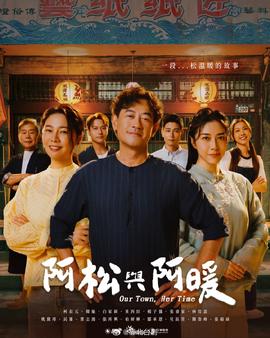
阿松与阿暖

百味人生

詹姆士出走料理

狂野战场

闺蜜你好之穿书富家妯娌,我和闺蜜齐上阵!

欺诈游戏

陛下今天掉马甲了吗

欺诈游戏动漫

摩尔秀 第一季

剪刀手罗萨里奥 第二季

合著谋杀案

尖帽子的魔法工坊

女人我最大

小姐不熙娣

东张西望粤语

效年出发吧

开局签到仙王修为,建立无上宗门

11点热吵店

喜剧开场

阿姐万岁

百变智多星
